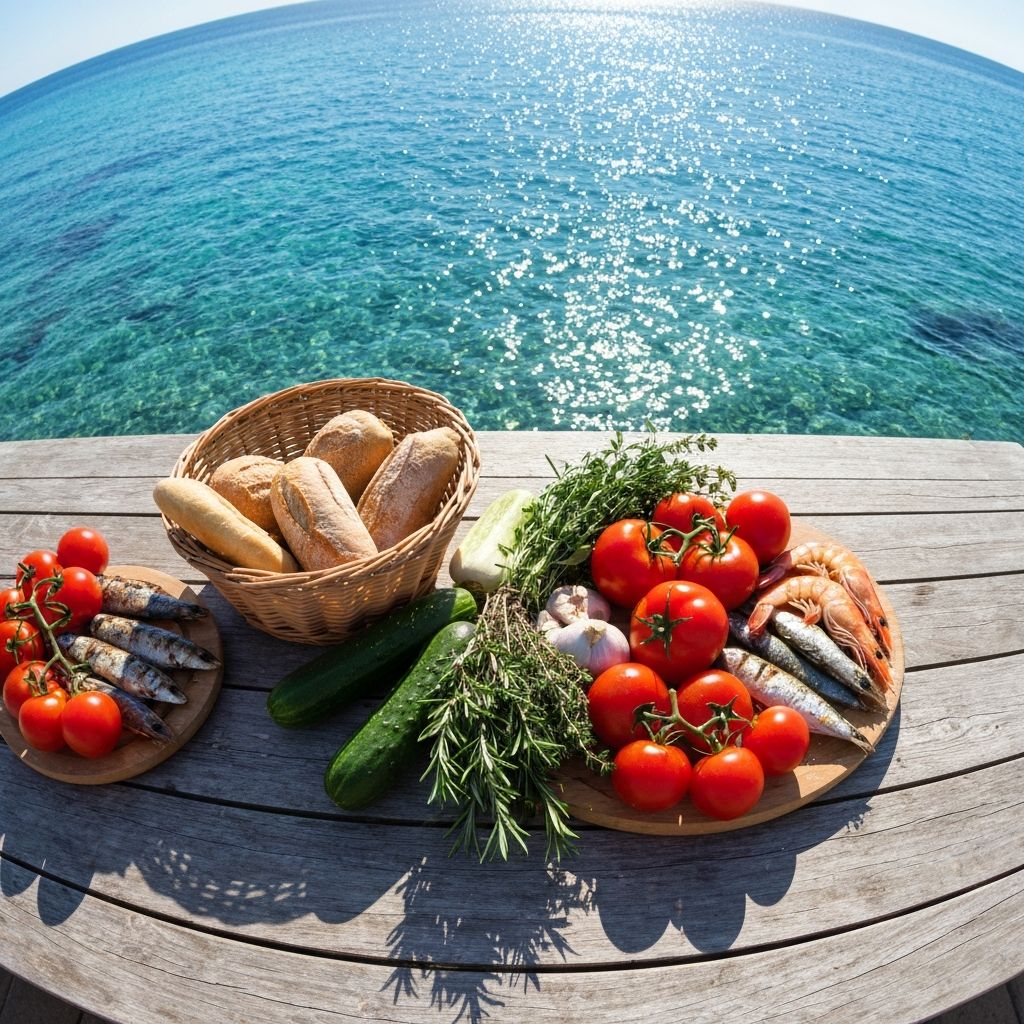
The French Mediterranean coast, known as the Côte d'Azur, encompasses regions including Nice, Cannes, Antibes, and surrounding areas. The food traditions of this region reflect local agriculture, seasonal availability, historical cultural influences, and access to both land and sea resources. Understanding the nutritional characteristics of these traditional patterns provides insight into Mediterranean dietary composition.
Geographic and Climatic Context
The Mediterranean climate of the French Riviera creates conditions supporting year-round cultivation of specific crops. Mild winters prevent crop failure from frost, enabling perennial herbs and certain vegetables to thrive. The long growing season supports high production of sun-ripened vegetables rich in polyphenolic compounds and other bioactive constituents.
Primary Staple Foods
Vegetables: Tomatoes, zucchini, eggplant, bell peppers, and onions form the foundation of many regional dishes. These vegetables provide fiber, vitamins C and K, potassium, and various phytonutrients. Their cultivation in Mediterranean soil contributes to mineral content.
Olive Oil: Central to Riviera cuisine, olive oil provides monounsaturated fatty acids, primarily oleic acid, comprising approximately 70% of total fat content in high-quality extra virgin oil. Olive oil also contains polyphenols including oleuropein and oleocanthal, compounds with studied anti-inflammatory properties. The fat content of olive oil (approximately 120 calories per tablespoon) represents a significant energy source in traditional portions, though the density of nutrient-rich foods in Mediterranean diets typically maintains moderate total energy density.
Legumes: Beans, lentils, and chickpeas appear regularly in regional preparations. Legumes provide plant-based protein (12-20% dry weight), fiber, and micronutrients including folate, iron, and magnesium. The carbohydrate content includes resistant starch, which escapes digestion in the small intestine and affects gut microbiota and glucose metabolism.
Whole Grains: Traditional breads, often made from whole grains, contribute fiber and B vitamins. Regional pasta preparations, traditionally made from durum wheat semolina, provide complex carbohydrates. Portion sizes of grain-based foods in traditional Mediterranean meals are typically smaller than in modern industrial food environments.
Fish and Seafood
White Fish: Mediterranean species including sea bass, sea bream, and hake provide lean protein (18-22% by weight), vitamin D, and micronutrients including selenium and iodine. The omega-3 content in white fish is lower than in fatty fish species but still present.
Fatty Fish: Sardines, anchovies, and mackerel contain higher omega-3 polyunsaturated fats (EPA and DHA), comprising 1-3% of weight. These fatty acids are substrates for anti-inflammatory mediators. Omega-3 intake correlates with various health markers in epidemiological research.
Shellfish: Mussels, clams, and oysters provide high-quality protein with minimal fat. They are exceptionally rich in micronutrients: zinc (supporting immune function and protein synthesis), selenium (component of selenoproteins), copper (cofactor for multiple enzymes), and vitamin B12 (essential for nervous system function). Iron content in shellfish includes heme iron, which is more bioavailable than non-heme iron from plant sources.
Herbs and Spices
Mediterranean Herbs: Basil, oregano, rosemary, thyme, and sage are integral to regional cooking. These herbs contain volatile essential oils and non-volatile polyphenols. Oregano contains carvacrol and thymol, compounds with antimicrobial and anti-inflammatory research interest. Rosemary contains carnosic acid and carnosol, polyphenols studied for antioxidant activity.
Garlic and Onion: Allium vegetables contain sulfur compounds including allicin and quercetin. These compounds are subjects of nutritional research investigating potential effects on inflammation and oxidative stress markers.
Fruits and Nuts
Fresh Fruits: Seasonal Mediterranean fruits including figs, peaches, apricots, grapes, and citrus provide natural sugars, fiber, and micronutrients. Figs, particularly abundant in the region, provide minerals including calcium and iron. Berry varieties including raspberries and strawberries provide anthocyanins, flavonoid compounds with antioxidant properties.
Nuts and Seeds: Almonds and walnuts are traditional additions to Mediterranean cuisine. Walnuts provide alpha-linolenic acid (ALA), a plant-based omega-3 precursor. Almonds provide vitamin E (alpha-tocopherol), supporting antioxidant defense. Both provide monounsaturated and polyunsaturated fats in proportions supporting favorable lipid profiles.
Dairy Products
Cheese: Regional cheeses, traditionally produced in smaller quantities than modern industrial production, provide protein, calcium, and micronutrients. Aged varieties contain bioactive peptides generated through proteolysis. Portion sizes in traditional Mediterranean meals are typically modest.
Yogurt: Plain yogurt provides protein and probiotics from live cultures. Traditional preparation methods involve longer fermentation, resulting in lower lactose content and potentially higher bioactive peptide formation.
Nutritional Composition Overview
Macronutrient Profile: Traditional Mediterranean patterns feature approximately 30-35% energy from fat (predominantly monounsaturated), 45-50% from carbohydrates (primarily complex carbohydrates and fiber), and 15-20% from protein. This differs from modern industrialized diets with higher saturated fat and refined carbohydrate content.
Micronutrient Density: The abundance of plant-based foods ensures high micronutrient content including vitamins C, E, folate, minerals including potassium and magnesium, and phytonutrients from diverse food sources. The diversity of plant foods provides varied polyphenolic compounds.
Fiber Content: Mediterranean patterns provide 25-35 grams daily fiber from vegetables, legumes, whole grains, and fruits. Adequate fiber intake influences satiety, digestive function, and provides substrate for beneficial gut microbiota.
Food Preparation and Cooking Methods
Traditional preparation emphasizes minimal processing. Vegetables are often consumed fresh or lightly cooked. Olive oil is added after cooking in many preparations, preserving heat-sensitive polyphenols. Fish is typically grilled or baked. This minimizes formation of advanced glycation end products (AGEs) generated through high-heat cooking methods.
Social and Behavioral Context
The nutritional benefits of Mediterranean patterns are inseparable from behavioral context: leisurely meals taken with family, eating at consistent times, smaller portion sizes, and the absence of highly palatable processed foods in traditional settings. These factors influence energy intake patterns and digestion processes.